
Seasonal Home Maintenance: A Year-Round Guide for Homeowners
Buying a home converts you from a tenant into an asset manager responsible for a complex, depreciating structure. While the mortgage is a fixed cost, the physical degradation of the property is a variable expense that accelerates with neglect. A proactive maintenance schedule is the only defense against “deferred maintenance,” a financial compounding effect where small, ignored issues metastasize into five-figure disasters. Treating your home like a business requires a systematic approach to care, broken down by the seasons’ rhythms.
This guide provides a strategic framework for year-round maintenance to preserve your equity and ensure the longevity of your investment.
Spring: Recovery and Water Management
As the snow melts and spring rains arrive, your primary objective is to assess how winter weather affected your home’s exterior envelope. This is the season of water management, as moisture intrusion is the leading cause of structural damage and mold growth in residential properties. You must inspect the roof, foundation, and drainage systems to ensure they are prepared to handle the heavy precipitation typical of the season.
Inspecting the Roof and Gutters
Winter storms and ice dams can wreak havoc on shingles, lifting them or tearing them off completely. Binoculars are a safe tool to scan the roofline for loose, curled, or missing shingles without climbing a ladder. If you spot damage, hire a professional roofer immediately to patch the area before spring storms drive water into the attic.
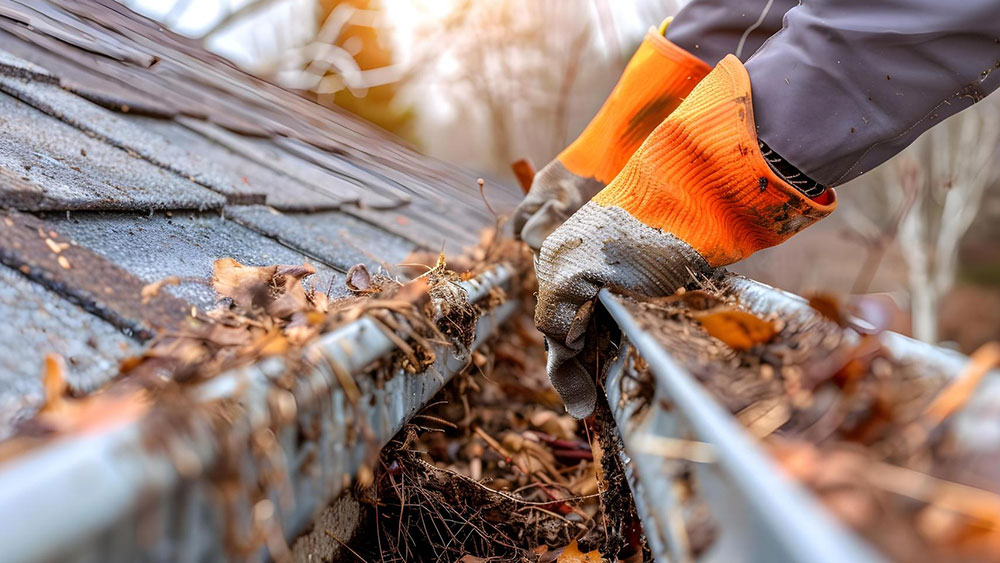
Simultaneously, you must clear the gutters and downspouts of winter debris, such as twigs and compacted leaves. Clogged gutters cause water to overflow and pool directly against the foundation, leading to basement leaks and settling cracks. Ensure that downspouts extend at least 5 feet from the house to divert water safely.
Checking the Foundation and Sump Pump
Walk the perimeter of your home to inspect the concrete foundation for new cracks or separation. Small hairline cracks can often be sealed with epoxy, but horizontal cracks may indicate serious hydrostatic pressure requiring professional intervention. This visual inspection helps you catch settling issues early.
If your home relies on a sump pump to keep the basement dry, spring is the critical time to test it. Pour a bucket of water into the sump pit to verify that the pump activates automatically and ejects the water efficiently. A failed sump pump during a spring thaw can result in tens of thousands of dollars in flood damage.
Summer: Efficiency and Exterior Preservation
Summer brings heat, humidity, and rapid, extensive plant growth, all of which stress your home’s systems and exterior finishes. The focus during these months shifts to energy efficiency and protecting the house’s shell from the sun and pests. This is also the ideal time for outdoor projects that require dry weather to cure properly.
Optimizing the HVAC System
Your air conditioning unit works hardest during July and August, accounting for a significant portion of your annual utility bill. To maintain efficiency, replace the air filter every 30 to 90 days, depending on usage and pet dander—a clogged filter forces the blower motor to work harder, shortening its lifespan and increasing energy costs.
Outside, clear all vegetation and debris from around the condenser unit to ensure proper airflow. Ideally, there should be two feet of clearance on all sides of the unit. You can also gently clean the condenser coils with a garden hose to remove pollen and dust buildup that acts as an insulator.
Deck Sealing and Pest Control
Wood decks and fences are vulnerable to UV radiation and moisture, which cause graying, splintering, and rot. Test the seal on your deck by sprinkling water on the boards; if it beads up, the seal is good. If it soaks in, it is time to power wash the wood and apply a fresh coat of stain or sealant.
Summer is also peak season for insects like ants, termites, and carpenter bees. Inspect the exterior for mud tubes on the foundation or sawdust piles that indicate wood-destroying organisms. Applying perimeter pest control now can help keep these invaders from establishing a colony inside your walls.
Fall: The Critical Winterization Phase
Fall is arguably the most important season for preventive maintenance because you are preparing the home to withstand the year’s harshest conditions. The goal is to seal the house’s “envelope” to keep heat in and cold out. Addressing drafts and heating systems now prevents emergency calls in the dead of winter when technicians are booked solid.
Heating System Tune-Up
Before you turn the furnace on for the first time, hire a professional HVAC technician for an annual inspection and cleaning. They will check the heat exchanger for cracks, which is a critical safety step to prevent carbon monoxide leaks. They will also test the ignition system and calibrate the thermostat.
If you have a boiler system, it will bleed the radiators to remove trapped air and ensure even heating. This proactive service extends the life of the furnace and ensures it runs at peak efficiency. It is cheaper to pay for a tune-up now than to pay for an emergency repair on Christmas Eve.
Sealing Gaps and Drafts
Cold air infiltration is a major source of energy waste and winter discomfort. Inspect the caulking around windows and door frames for cracking or peeling. Remove old, dried-out caulk, then apply a fresh bead of exterior-grade silicone sealant to seal these gaps.
Check the weatherstripping on exterior doors, including the garage service door. If you can see daylight around the edges of the door from the inside, the weatherstripping needs to be replaced. These small, inexpensive fixes pay for themselves in lower heating bills.
Winter: Interior Health and Safety
When the weather forces you indoors, your maintenance focus should turn to the interior systems that keep you safe and healthy. This is the time to audit safety devices and monitor the home for signs of thermal stress. Winter maintenance is less about labor-intensive projects and more about vigilance and protection.
Plumbing Protection
Frozen pipes are a catastrophic risk that can cause massive water damage in minutes. Know the location of your main water shut-off valve so you can act quickly in an emergency. If you have pipes running through unheated spaces, such as a garage or crawlspace, ensure they are wrapped in foam insulation.
On extremely cold nights, open the cabinet doors under the kitchen and bathroom sinks to allow warm air to circulate through the plumbing. Disconnect all garden hoses from outdoor spigots. If water is trapped in the hose, it can freeze and burst the pipe inside the wall.
Safety Device Audit
With the furnace running and windows closed, indoor air quality and fire safety become paramount. Test all smoke detectors and carbon monoxide detectors to ensure they are functioning correctly. Replace the batteries in all units, even if they are hardwired, to ensure backup power during winter storms.
Check the expiration date on your fire extinguisher, which is typically 5 to 10 years from the date of manufacture. If you have a wood-burning fireplace, have the chimney swept to remove creosote buildup. This significantly reduces the risk of a chimney fire.
Closing Points
Home maintenance is a marathon, not a sprint, and consistency is the key to avoiding overwhelming expenses. By following a seasonal schedule, you break the massive job of property management into manageable, logical tasks. This approach not only spreads the financial cost throughout the year but also ensures that no system is neglected for too long.
Ultimately, a well-maintained home is a safer place to live and a more valuable asset to sell. Viewing these chores as investment protection rather than drudgery is the mindset of a successful homeowner.