
Smart Home Technology: Upgrades That Increase Property Value
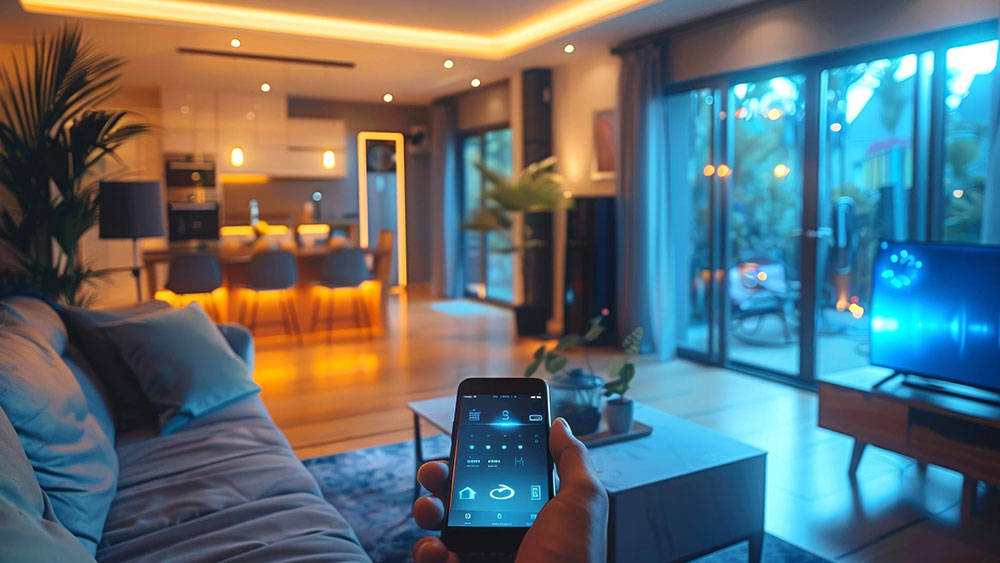
Ten years ago, a “smart home” was a futuristic concept reserved for tech enthusiasts and luxury estates. Today, home automation has transitioned from a novelty to a standard expectation for modern homebuyers.
As digital natives enter the housing market in force, they are prioritizing connectivity and convenience just as highly as granite countertops or hardwood floors. Installing the right technology is no longer just about personal gadgetry; it is a strategic investment in the asset’s equity.
However, not all tech upgrades are created equal, and knowing where to spend your money is critical for maximizing your return on investment.
The Shift from Gadgets to Infrastructure
To understand how technology adds value, you must distinguish between personal devices and permanent infrastructure. A smart speaker sitting on a counter is personal property that leaves with the seller and adds no value to the home’s appraisal.
Conversely, hardwired systems like smart thermostats, integrated security cameras, and intelligent lighting are considered fixtures that remain with the property. These permanent installations signal to buyers that the home is modern, efficient, and “move-in ready.” Investing in infrastructure rather than accessories is the key to converting tech spending into higher offers.
The Expectation of Efficiency
Modern buyers are acutely aware of rising utility costs and environmental impact. They view smart technology primarily as a tool for efficiency rather than just entertainment. A home that can prove it operates more cheaply than its neighbors, thanks to intelligent management systems, has a distinct competitive advantage.
Data from real estate transactions shows that homes with “smart” designations sell faster than those without. This speed of sale is a form of value in itself, reducing the seller’s holding costs. Efficiency upgrades provide a tangible financial narrative that agents can use to justify a higher asking price.
The “Move-In Ready” Premium
There is a significant psychological premium attached to a home that requires no immediate work. Wiring a home for the internet, installing smart switches, and setting up a security hub are tasks that many buyers find daunting. When these systems are already installed and functioning, the buyer perceives the home as a turnkey solution.
This convenience factor often tips the scales in a bidding war. Buyers are willing to pay for the time and frustration they save by not having to install these systems themselves. It positions the property as a modernized asset rather than a project house.
Security and Access Control
Security is consistently ranked as the top priority for homebuyers when considering smart technology. The peace of mind provided by a fully integrated security system is a powerful emotional driver during a home tour. Unlike complex automation scripts that might confuse a buyer, security is a universal need that everyone understands immediately. Upgrading your entry points and monitoring systems is often the safest bet for increasing your property’s broad appeal.
The New Front Door Standard
The video doorbell has become the new standard for residential entryways. It serves as both a security device and a convenience tool for managing deliveries. For a relatively low cost, it modernizes the curb appeal and functionality of the front porch.
Smart locks complement this by providing keyless entry and remote access. This feature is particularly attractive to buyers interested in short-term rentals or those with large families. The ability to grant temporary access to contractors or guests without having to copy physical keys is a major selling point.
Environmental Monitoring
Smart security extends beyond burglary prevention to protecting the physical asset itself. Smart smoke detectors and carbon monoxide sensors interact with other systems to shut down HVAC units during a fire, preventing the spread of smoke.
Water leak detectors are perhaps the most undervalued smart device in terms of ROI. Placing these sensors near water heaters, washing machines, and under sinks can prevent catastrophic water damage. Many insurance companies offer premium discounts for homes equipped with these monitoring systems, a direct financial benefit you can advertise to buyers.
Climate and Energy Management
The smart thermostat is the gateway device for most households and remains one of the most recognizable value-adds. These devices learn occupants’ schedules and automatically adjust the temperature to save energy when the house is empty. Because they offer immediate monthly savings on heating and cooling bills, the return on investment is easy for a buyer to calculate. Replacing a beige plastic dial with a sleek glass interface instantly updates the hallway’s aesthetic.
Automated Window Treatments
Smart blinds and shades represent a higher tier of luxury and efficiency. These motorized treatments can be programmed to close during the hottest part of the day to reduce cooling loads or open in the morning to utilize natural light.
Because they are custom-fitted and hardwired, they are substantial fixtures that add significant appraisal value. They eliminate the visual clutter of cords and wands. For homes with high ceilings or hard-to-reach windows, motorized shades are a functional necessity that buyers are willing to pay a premium for.
Intelligent Lighting Systems
Lighting control is often done incorrectly by homeowners who rely on smart lightbulbs. The professional approach—and the one that adds property value—is installing smart switches and dimmers. Smart switches work with any light fixture and function normally even if the internet goes down, which is crucial for usability.
A whole-home lighting system allows for “scenes” that can be controlled by voice or a smartphone. Buyers appreciate the ability to turn off every light in the house from their bed. It adds a layer of sophistication that standard toggle switches cannot match.
Network and Connectivity
In an era of remote work and streaming media, the strength of a home’s internet connection is as vital as its plumbing. A smart home is useless without a robust network to support it. Upgrading the house’s digital backbone is a silent but powerful value booster.
- Mesh Wi-Fi Systems: These ensure consistent coverage throughout the home, eliminating dead zones that frustrate buyers.
- Structured Wiring: Installing Cat6 Ethernet cables in key rooms (offices, living rooms) provides a dedicated, high-speed data lane that Wi-Fi cannot match.
Closing Points
Integrating smart home technology is a strategic move that aligns your property with the demands of the modern market. By focusing on infrastructure like security, climate control, and lighting, you create a living environment that is secure, efficient, and convenient.
These upgrades move beyond mere gadgetry to become essential home features that justify a higher sale price. Ultimately, a smart home represents a future-proof investment, signaling to buyers that the property is ready for the decades to come.