
Virtual Reality in Real Estate: Changing How We Tour Homes
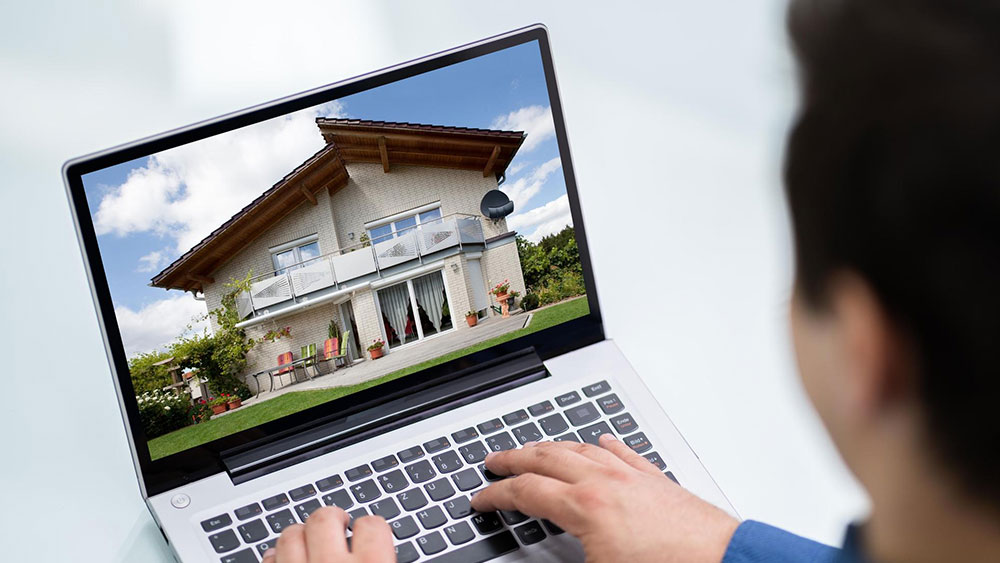
For decades, the process of buying a home followed a rigid and time-consuming script. Buyers would scour newspaper listings or online photos, select a dozen potential properties, and spend endless weekends driving from one open house to another. This logistical marathon often resulted in frustration, as static images rarely conveyed the true feel or flow of a property. Virtual Reality (VR) technology has shattered this outdated model, introducing a new era of efficiency and accessibility to the housing market. By allowing users to immerse themselves in a property from anywhere in the world, VR is fundamentally altering how real estate is marketed, viewed, and sold.
Beyond Static Photography: The Rise of the 3D Tour
The transition from flat photography to immersive 3D experiences represents a quantum leap in property marketing. Standard wide-angle photos can be deceptive, making small rooms appear cavernous or hiding awkward layouts behind clever angles. Virtual reality eliminates these blind spots by capturing the entire environment in high-definition spatial data.
The technology creates a “digital twin” of the home. This allows the viewer to navigate the space independently, rather than following a videographer’s predetermined path. Users can look up at tray ceilings, inspect the condition of baseboards, and gauge the flow from the kitchen to the dining room. It provides an honest and transparent view of the property that builds trust before a buyer ever steps through the front door.
The Technology Behind the Experience
Virtual reality in real estate relies on sophisticated imaging hardware and software to create these immersive environments. Unlike simple video walk-throughs, these systems stitch together thousands of high-definition images and laser measurements to build a fully navigable 3D model. This allows the user to control their perspective, looking up at cathedral ceilings or down at flooring details with a click of a mouse or a turn of a headset.
360-Degree Virtual Tours
The most common form of VR in real estate is the 360-degree interactive tour. These are accessible via standard web browsers on desktops or mobile devices, requiring no special equipment. The user moves through the house by clicking on “hotspots” on the floor, simulating a walking pace. While not fully immersive in the sense of wearing a headset, they offer a highly accurate representation of the home’s layout and condition.
Fully Immersive VR
For a more profound experience, high-end brokerages utilize VR headsets. In this scenario, the buyer wears a device that blocks out the physical world and transports them digitally into the home. Sensors track the user’s head movements, allowing them to look around naturally as if they were standing in the room. This level of immersion is particularly effective for luxury properties and international buyers who cannot easily travel for a viewing.
Benefits for the Modern Homebuyer
The primary beneficiary of this technological revolution is the homebuyer, who gains unprecedented control over the search process. In a fast-paced market, the ability to tour a home instantly can be the difference between making an offer and missing out. VR democratizes access, allowing buyers to explore homes across the country or across town without leaving their living rooms.
- Efficiency and Time Savings: Buyers can narrow down their list of potential homes significantly faster. Instead of physically visiting ten homes and being disappointed by eight of them, a buyer can virtually tour twenty homes in an hour. This ensures that when they do get in the car, they are only visiting top-tier contenders.
- Spatial Understanding: Photos often fail to convey how a home connects. VR allows buyers to understand the “flow” of a floor plan. They can see if the master bedroom is too close to the noisy kitchen or if the hallway is too narrow for their furniture.
Why Sellers and Agents Are Embracing VR
While buyers enjoy the convenience, sellers and real estate agents are adopting VR for its ability to qualify leads and protect privacy. Listing a home traditionally meant opening it up to anyone who walked in off the street, including curious neighbors and people who were not financially qualified. Virtual tours act as a powerful filter that streamlines the sales process.
Attracting Serious Buyers Only
A buyer who requests a physical showing after taking a thorough virtual tour is already highly interested. They have seen the layout, the finishes, and the potential flaws, and they still want to proceed. This reduces the number of “looky-loos” and ensures that the seller is only disrupting their life for high-intent prospects. It creates a higher conversion rate for physical showings.
The 24/7 Open House
A physical open house is limited to a few hours on a Sunday afternoon. A virtual tour is an open house that never closes. It allows potential buyers to revisit the property at 2:00 AM or share the tour with a spouse who is traveling for business. This perpetual accessibility maximizes exposure and keeps the property top-of-mind for buyers.
Visualizing the Invisible: Pre-Construction and Renovation
One of the most powerful applications of VR is its ability to sell properties that do not yet exist. Selling pre-construction condos or custom homes has always been a challenge because buyers struggle to visualize a finished product from a 2D blueprint. VR bridges this gap by rendering photorealistic environments from architectural files.
Pre-Construction Walk-Throughs
Developers can now offer virtual walk-throughs of unbuilt units. Buyers can stand on a virtual balcony and see the actual view they will have from the 20th floor, simulated using drone photography. They can toggle between different finish packages, instantly seeing how dark cabinets versus white cabinets would look in the kitchen. This confidence leads to faster pre-sales and fewer change orders during construction.
Virtual Staging 2.0
Empty homes often feel cold and smaller than they actually are. Physical staging is expensive and logistically difficult. Virtual staging allows agents to digitally place stylish furniture and decor into a vacant room. With VR, buyers can toggle the furniture on and off, allowing them to see the potential of the space while also inspecting the bare structure.
The Impact on Remote Transactions
The rise of remote work has fueled a surge in long-distance relocations. Consequently, the concept of buying a home “sight unseen” is becoming increasingly common. VR provides the level of detail and transparency required to make such a significant financial commitment without a physical visit.
Investors, in particular, rely on these tools to purchase rental properties in different states. They can inspect the condition of the HVAC unit, check the brand of the appliances, and look for water damage on the ceiling, all remotely. This capability has created a truly global real estate market where geography is no longer a barrier to entry.
Closing Points
Virtual reality has moved beyond a futuristic novelty to become an essential tool in the modern real estate transaction. It solves the fundamental friction points of buying and selling by saving time, increasing transparency, and expanding reach. As the technology becomes more affordable and higher resolution, it will likely become the standard for all listings, not just luxury estates. For buyers and sellers alike, VR offers a clearer, faster, and more efficient path to the closing table, changing the way we experience the place we call home.