
Buying a Historic Home: Charm, Restrictions, and Hidden Costs
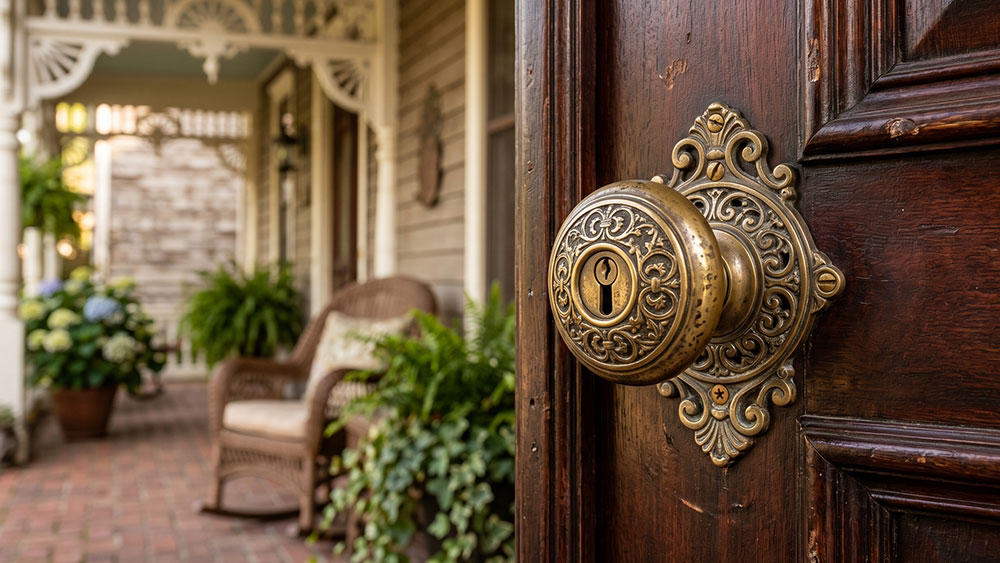
Owning a piece of history is a romantic aspiration for many passionate real estate buyers. Historic homes offer unparalleled architectural character that modern subdivisions cannot replicate. However, purchasing a centuries-old property requires a massive financial commitment and a willingness to navigate complex municipal regulations.
Buyers must carefully balance their love for antique charm with the harsh realities of structural maintenance. You are essentially taking on a part-time job as a property historian and project manager. Succeeding in this endeavor requires understanding the strict legal covenants and hidden expenses before you ever sign the deed.
The Allure of Historic Real Estate
The primary draw of a historic property lies in its unique, irreplaceable craftsmanship. These homes were constructed during eras when builders utilized old-growth timber, hand-carved masonry, and intricate custom millwork. Preserving these stunning architectural details allows homeowners to live inside a functional, breathing work of art.
Architectural Integrity
Unlike modern cookie-cutter developments, older homes feature distinct layouts and highly specific period details. You will frequently find original stained glass windows, solid hardwood pocket doors, and elaborate fireplace mantels. These bespoke elements cannot be sourced at a local hardware store today, making them incredibly valuable to preservationists.
Financial Incentives and Tax Breaks
Beyond its aesthetic appeal, purchasing a historic home can unlock significant financial benefits. Local and state governments frequently offer significant property tax abatements to buyers willing to restore aging landmarks. The federal government also provides substantial tax credits for the certified rehabilitation of historically significant properties.
Buyers can often leverage several different preservation programs simultaneously:
- Local property tax freezes that lock in your rate for a set number of years.
- Cash grants from non-profit historical societies are intended for improvements to street-facing facades.
- Low-interest municipal loans specifically designated for hazardous material remediation.
Navigating Preservation Societies and Restrictions
Owning a home in a designated historic district means surrendering a portion of your private property rights. Local historical commissions hold the legal authority to dictate exactly how the exterior of your home must look. Their primary goal is to freeze the neighborhood in a specific era, severely restricting your modernization options.
Exterior Modification Rules
Historic districts enforce strict covenants regarding paint colors, roofing materials, and landscaping. You generally cannot install modern vinyl windows or attach visible solar panels to the street-facing side of the roof. If a wooden porch railing rots away, you must replace it with an exact, custom-milled wooden replica rather than cheaper modern composites.
The Approval Process for Renovations
Making any changes to the exterior of the home requires passing a rigorous architectural review process. Homeowners must submit detailed blueprints and material samples to the local preservation board for formal approval. This bureaucratic red tape can easily delay basic exterior maintenance projects by several frustrating months.
Uncovering the Hidden Costs of Older Homes
The romantic charm of a century-old house frequently masks a terrifying web of severely outdated infrastructure. While the heavy timber framing might be rock solid, the mechanical systems hidden behind the plaster are likely failing. Homeowners must budget aggressively for sudden, massive repair bills that far exceed standard maintenance costs.
Outdated Plumbing and Electrical Systems
Homes built before the mid-twentieth century often hide dangerous knob-and-tube wiring or deteriorating galvanized steel pipes. Replacing these hidden hazards requires tearing open the original plaster walls, which destroys the historic aesthetic you paid for. Updating the entire electrical grid to handle modern appliances can easily exhaust a massive renovation budget.
Energy Inefficiency and Insulation
Historic homes are notoriously drafty because they were constructed long before modern insulation standards existed. Original single-pane glass windows offer virtually zero thermal protection against freezing winter winds or blistering summer heat. Consequently, your monthly utility bills will be astronomically higher than those of a comparably sized modern home.
Lead Paint and Asbestos
Any home constructed several decades ago poses a high risk of containing toxic building materials. Lead-based paint and asbestos floor tiles were standard, legal construction materials for generations. Safely removing and remediating these environmental hazards requires hiring highly specialized, expensive hazardous material contractors.
Financing and Insuring a Historic Property
Securing the capital to purchase and protect a historic asset introduces unique hurdles in the financial sector. Traditional mortgage lenders and standard insurance carriers often view these aging structures as unacceptably high-risk liabilities. Buyers must proactively seek out specialized financial products designed specifically to accommodate the quirks of older real estate.
Specialized Mortgage Products
If the home requires immediate structural intervention, a standard conventional mortgage will likely be denied during the appraisal phase. Buyers frequently utilize renovation mortgages, such as the FHA 203(k) loan, to finance both the purchase and the required repairs. These specialized loans hold the renovation funds in an escrow account and disburse them to contractors as the restoration progresses.
The Cost of Historic Home Insurance
Standard homeowners insurance relies on replacement costs using modern, mass-produced building materials. If your historic home burns down, replacing the hand-carved woodwork and custom-stained glass will cost far more than a modern rebuild. Therefore, you must purchase a specialized guaranteed-replacement-cost policy, which comes with significantly higher monthly premiums.
The Importance of Specialized Inspections
A standard residential home inspection does not dive deep enough to uncover the specific threats facing a historic property. General inspectors lack the specialized training required to evaluate archaic building methods and antique masonry foundations. You must hire independent experts to evaluate the asset’s true structural and mechanical condition.
Hiring a Historic Property Expert
Search for a structural engineer or an inspector who specializes exclusively in pre-war construction techniques. These experts know exactly where to look for hidden structural rot, sagging joists, and deteriorating brick mortar. Their detailed report becomes your primary negotiating tool before finalizing the purchase agreement.
Budgeting for the Unexpected
Even the most thorough inspection cannot uncover every single problem hiding inside a century-old house. Historic homeowners must maintain a much larger liquid emergency fund than buyers of newly constructed properties. A good rule of thumb is to expect every major renovation project to cost twice as much and take twice as long.
Living in a Historic Neighborhood
Moving into a designated historic district immerses you in a highly active and deeply invested local community. Your neighbors will share a collective passion for preservation and a strong desire to protect the area’s unique aesthetic identity. This environment fosters a tight-knit community spirit but also requires a high level of social diplomacy.
Community Engagement and Oversight
In these specialized neighborhoods, everyone pays close attention to what happens on their street. Neighbors will quickly report unauthorized renovations to the local preservation board to protect the district’s overall integrity. You must be prepared to openly communicate your renovation plans and respect the established community norms.
Resale Value Considerations
The very restrictions that make remodeling difficult actually protect your property’s long-term market value. Historic districts insulate homes from the extreme peaks and valleys of the broader real estate market. Because cheap, out-of-character developments cannot ruin the neighborhood, your asset remains highly desirable to future preservationists.
Closing Points
Buying a historic home is a lifestyle choice that demands immense patience, deep pockets, and a passion for preservation. It is not the right investment for buyers who want a low-maintenance, turnkey property with predictable monthly expenses. However, for those willing to accept the strict rules and hidden costs, the rewards are entirely unmatched.
You become the temporary steward of a unique architectural legacy that cannot be replicated. By navigating the preservation boards and anticipating the mechanical upgrades, you can successfully protect your investment. Ultimately, the charm and historical significance make the endless upkeep a true labor of love.