
How to Spot a Flipped House with Hidden Flaws
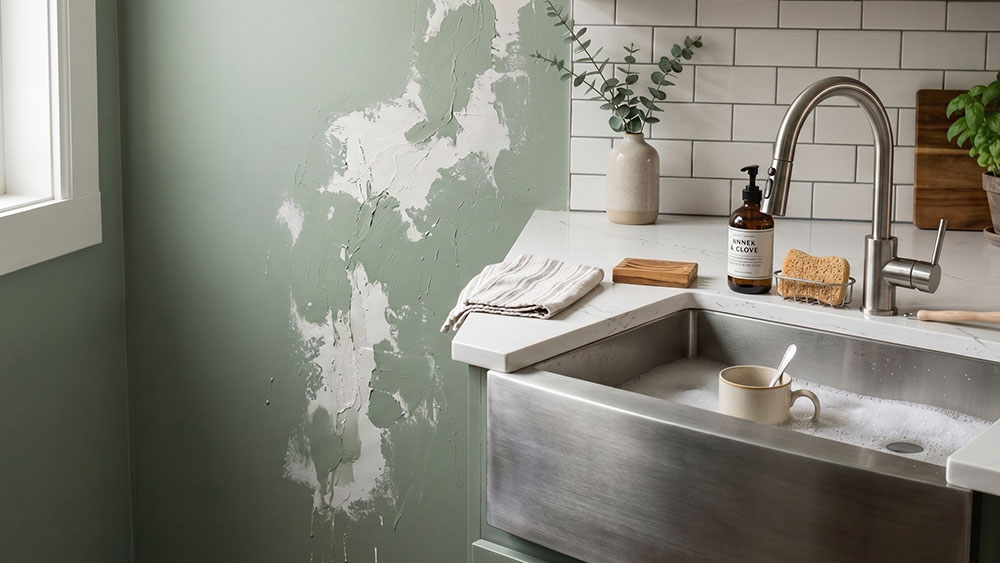
House flipping has surged in popularity, transforming dilapidated properties into beautifully staged modern homes. While many investors perform high-quality renovations, others cut corners to maximize their profit margins at the buyer’s expense. Purchasing a poorly flipped house can stick you with catastrophic repair bills hidden beneath a fresh coat of gray paint.
To protect your real estate investment, you must learn to look past the sparkling granite countertops and trendy staging furniture. A critical eye can spot the telltale signs of shoddy workmanship before you sign the closing documents. This guide will help you identify the hidden flaws that careless house flippers leave behind.
The Illusion of the Turnkey Home
Flipped homes are intentionally designed to elicit an emotional response from buyers seeking a move-in-ready aesthetic. Investors rely on inexpensive visual trends to distract potential buyers from aging roofs, outdated plumbing, or failing foundations. You must mentally separate the cosmetic appeal from the house’s actual structural integrity.
Superficial Upgrades vs. Structural Health
A brand-new kitchen island adds zero value if the floor joists beneath it are actively rotting. Flippers often allocate their entire budget to visible spaces, such as kitchens and master bathrooms, to secure higher offers. Consequently, invisible yet vital systems such as electrical wiring and HVAC units are completely ignored during the renovation.
The Dangers of the “Lipstick on a Pig” Approach
This deceptive renovation strategy focuses solely on covering up damage rather than actually repairing the root cause. You might find fresh drywall screwed directly over active mold or new siding hiding extensive termite damage. These superficial fixes will inevitably fail, leaving the new homeowner entirely responsible for the massive remediation costs.
Red Flags in the Kitchen and Bathrooms
Kitchens and bathrooms sell houses, making them the primary focus of almost every real estate flipping project. Because these rooms require expensive plumbing and cabinetry work, they are also where investors cut the most corners. Scrutinizing these specific areas can quickly reveal the overall quality of the entire renovation.
Inspecting the Cabinetry and Hardware
Open every cabinet door and pull out every drawer to check for smooth operation and proper alignment. Cheap investors often reuse old cabinet boxes and simply slap on new doors to create the illusion of a full replacement. Look underneath the sink to ensure the cabinet base is not warped or stained from previous, unresolved water leaks.
Checking the Plumbing and Tiling
Turn on the faucets to check the water pressure and ensure the hot and cold lines are properly connected. Inspect the grout lines around the bathtub and kitchen backsplash for uneven spacing or sloppy, rushing application. Poor tile work is a massive red flag that the flipper used unskilled, unlicensed labor to finish the job.
Assessing the Quality of Materials
Investors flipping homes on a tight budget often use the cheapest building materials available at discount hardware stores. While these low-grade finishes look acceptable in listing photos, they will rapidly deteriorate under the stress of daily living. Identifying the true quality of these newly installed materials is crucial for estimating future replacement costs.
Flooring and Baseboards
Press firmly on the newly installed luxury vinyl plank or laminate flooring to check for excessive bouncing or hollowness. This spongy feeling indicates the flipper failed to level the subfloor properly before laying down the new planks. Furthermore, check the baseboards for large gaps or sloppy caulking, which indicate a rushed installation.
Windows and Doors
Open and close every single window to ensure they operate smoothly and lock securely without requiring excessive force. Fast-paced flippers often paint old windows shut or fail to insulate the gaps around newly installed, cheap replacement windows. Check that interior doors latch properly and do not swing open on their own, which indicates unlevel framing.
Evaluating the Major Systems
The true value of a home lies in the reliability of its major mechanical and electrical systems. Flipped houses frequently feature brand-new cosmetic finishes masking decades-old infrastructure that is dangerously close to total failure. You must investigate these unseen systems thoroughly to avoid buying a property that requires immediate, expensive overhauls.
The Electrical Panel and Outlets
Open the electrical panel to see whether the wiring is organized or a tangled, chaotic mess. Check the manufacturer’s label to ensure the panel has not been recalled and that it provides sufficient amperage for modern appliances. Bring a small outlet tester to your showing to verify that the newly installed three-prong outlets are actually grounded.
The HVAC System and Ductwork
Ask your agent to find the manufacturing date stamped directly on the side of the furnace and air conditioning condenser. If the HVAC system is over 15 years old, you will likely need to replace it shortly after moving in. Inspect the exposed ductwork in the basement or attic to ensure it is properly sealed and not leaking air.
Examining the Exterior and Foundation
A beautiful interior means absolutely nothing if the building’s exterior envelope cannot keep out harsh weather. Flippers frequently ignore landscaping, drainage, and foundation issues because they do not photograph well for online listings. A thorough walk around the perimeter of the property is essential for spotting major structural cover-ups.
Fresh Paint on Exterior Foundations
Be incredibly suspicious of a concrete block foundation that has been freshly painted on the interior or exterior. This is a classic flipping tactic used to hide horizontal foundation cracks or chronic water intrusion lines. Concrete naturally breathes, and standard interior paint will quickly peel away if the basement has active moisture problems.
Roof Shingles and Gutter Systems
Step back from the house and look for curling, missing, or mismatched shingles that indicate a failing roof. Flippers sometimes install a second layer of shingles directly over an old, failing roof to save money on tear-off costs. Check that the gutters are securely attached and that the downspouts direct water safely away from the foundation walls.
The Paperwork Trail: Permits and Disclosures
The documentation accompanying a flipped house is just as important as the physical building materials used during the renovation. Fast-paced investors often skip the legal permitting process entirely to avoid costly delays and strict municipal inspections. Uncovering this missing paperwork before closing can save you from inheriting a massive legal and financial liability.
Verifying Local Building Permits
Always call the local building department to verify that permits were pulled for any major electrical, plumbing, or structural changes. If a flipper moved a load-bearing wall without a permit, the city could legally force you to tear the house apart. Unpermitted work is inherently dangerous and can void your homeowners insurance policy if a fire or flood occurs.
Scrutinizing the Seller’s Disclosure
Flippers often claim they are exempt from filling out a standard property disclosure because they never actually lived in the home. While legally permissible in some states, this lack of information forces the buyer to accept all the risk. You must rely heavily on your own independent home inspector to uncover the flaws the seller refuses to document.
Managing the Inspection Process
You should never purchase a flipped property without conducting a rigorous, independent home inspection. Flippers often recommend their own preferred inspectors, but you must avoid this massive conflict of interest at all costs. Hiring a truly neutral professional is the only way to uncover the defects that were intentionally hidden from view.
Hiring an Independent Inspector
Search for a highly reviewed, certified home inspector who has extensive experience specifically evaluating recently flipped properties. These professionals know exactly where careless investors usually cut corners to artificially inflate their profit margins. Accompany the inspector during the walkthrough so they can physically point out any concerning discoveries in real time.
Requesting Specialized Assessments
A standard inspection covers the basics, but a flipped home often requires a deeper investigation into hidden systems. Consider paying extra for a sewer scope to ensure the flipper did not flush construction debris down the drains. If the home is older, a specialized radon or mold test can reveal invisible hazards that were hastily painted over.
Closing Points
Buying a flipped house can be a wonderful investment if a highly ethical, experienced contractor completed the renovations. However, the surge of amateur investors entering the market requires buyers to remain extremely vigilant during their property tours. By focusing on structural integrity rather than cosmetic appeal, you can easily separate a quality home from a dangerous money pit.
Always hire a meticulous, independent home inspector to verify the true condition of the property’s major systems and foundation. Do not let beautiful staging furniture or a shiny new kitchen blind you to the reality of unpermitted, sloppy workmanship. Protecting your financial future requires asking hard questions and demanding proof of quality before you ever submit a purchase offer.