
Selling a Home With a Pool: Liability and Marketing Strategies
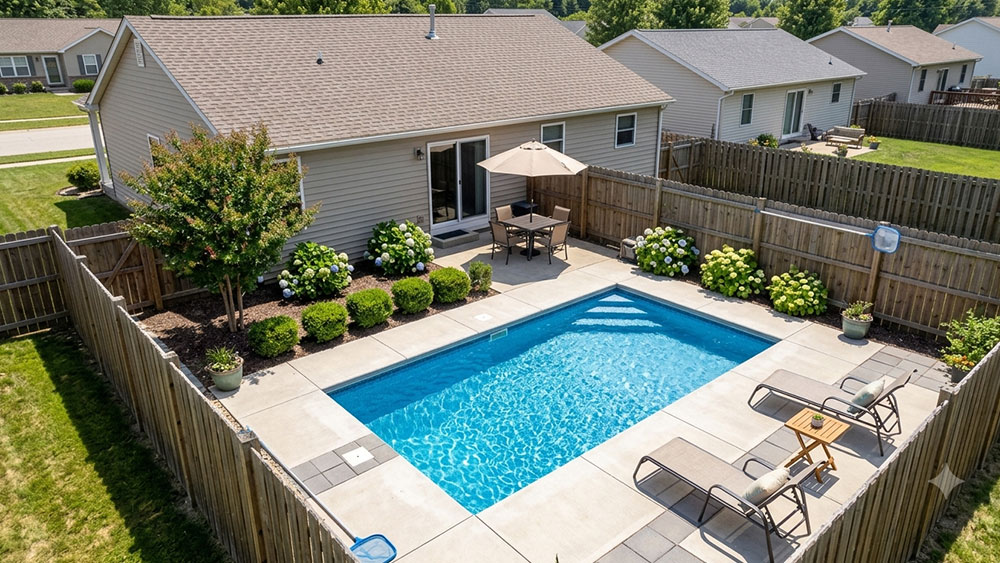
A swimming pool is often viewed as a luxurious backyard oasis that serves as the centerpiece for summer entertaining. However, for a home seller, a pool introduces unique management challenges that go far beyond simple water chemistry. Understanding how to navigate the complex intersection of safety liability and lifestyle marketing is essential for a successful transaction.
You must effectively communicate the pool’s value to potential buyers while proactively addressing any safety concerns. Neglecting these details can result in a longer time on the market and reduced leverage during price negotiations. A well-prepared seller can turn an expensive maintenance feature into a highly desirable selling point.
Managing the Liability of Aquatic Features
Every swimming pool represents a significant legal risk that homeowners must address before putting their property on the market. Potential buyers are often wary of the accidents and lawsuits that can stem from unsupervised pool access. You must approach this liability with extreme seriousness to protect yourself and provide peace of mind to your buyers.
Fencing and Barriers
The most critical safety feature for any residential pool is a robust, code-compliant barrier that restricts unauthorized access. You should verify that your fence height, gate latches, and self-closing mechanisms meet all local municipal safety codes. If your fencing is outdated or damaged, investing in professional repairs is a non-negotiable step to avoid scaring off risk-averse buyers.
Documentation and Professional Inspections
Provide prospective buyers with clear evidence that your pool system has been professionally maintained and inspected recently. Keeping detailed records of your regular maintenance services demonstrates that the mechanical systems are in excellent working order. This transparency minimizes the buyer’s fear regarding the possibility of sudden, catastrophic equipment failures.
Crafting a Compelling Lifestyle Narrative
Marketing a pool-equipped home requires more than just showing a photo of the water; you must sell the entire backyard lifestyle. Your listing materials should emphasize the emotional benefits and the social opportunities that an integrated outdoor living space provides. Buyers need to envision their own future memories occurring right on their patio.
Staging the Backyard Experience
The pool itself should always be staged to look inviting, clean, and perfectly integrated with the surrounding landscape. Invest in fresh patio furniture cushions, high-quality umbrellas, and perhaps a tastefully arranged outdoor dining setup. Removing clutter, cleaning the decking, and trimming the surrounding bushes can significantly enhance the perceived value of the entire outdoor area.
Emphasizing Year-Round Utility
If you live in a region with distinct seasons, be sure to highlight how the pool area remains functional and beautiful year-round. Mention outdoor lighting features that make the deck perfect for evening relaxation, even during the cooler months. You want buyers to see the backyard as an extension of the interior living space rather than a seasonal luxury.
Maintenance Transparency and Financials
Many potential buyers worry that owning a pool will become a constant financial drain. Your strategy must focus on demystifying the maintenance requirements to show that the pool is manageable and reasonably priced. Providing a clear financial picture helps reduce the “fear of the unknown” that often kills real estate deals.
Simplifying the Maintenance Narrative
Prepare a brief, easy-to-read document outlining the weekly maintenance routine and the average annual costs for chemicals and electricity. If you use a professional pool service, include their contact information as a recommendation for the new owners to maintain continuity. Simplifying these logistics shows the buyer that your home is truly a “turnkey” aquatic asset.
Highlighting Energy-Efficient Upgrades
Modern pool equipment has become significantly more energy-efficient, so you should highlight any recent hardware upgrades. If you have installed a variable-speed pump, a modern heater, or an automated cleaning system, emphasize these benefits prominently in your marketing. These features demonstrate that the pool is not a budget-killer but rather a well-managed component of the home.
- Share the age and service history of all mechanical components, including the pump, filter, and heater.
- Provide a list of reputable local pool service companies familiar with your specific setup.
Negotiating the Pool Condition
Buyers will inevitably request a specialized pool inspection to verify the integrity of the liner, the shell, and the plumbing. You should be prepared to address minor issues identified in these inspection reports that the buyer might demand you address. Maintaining a calm and professional attitude during these negotiations will keep your closing on track.
Addressing Structural and Mechanical Issues
If a routine inspection identifies a minor plumbing leak or an aging filter, you should be ready to negotiate a fair solution. Offering a small credit toward the buyer’s closing costs is often more efficient than hiring a contractor during the escrow period. This keeps the transaction moving forward without forcing you to manage repairs while you are trying to move out.
Being Honest About the Pool’s Age
If your pool is several decades old, don’t try to hide its age; instead, frame the narrative around your commitment to caring for it. Honesty about the structure’s age, combined with your documentation of regular maintenance, builds significant trust. Smart buyers are often willing to purchase older pools if they are clearly well-maintained and free from structural defects.
Understanding the Buyer Pool
Not every prospective buyer is looking for a home with a swimming pool, and that is a reality you must accept. Recognizing who your ideal buyer is can help you tailor your marketing approach to better resonate with the right audience. Some families consider a pool a requirement, while others may view it as an unwanted maintenance burden.
Targeting Enthusiastic Backyard Users
Your primary marketing efforts should focus on families with children or individuals who prioritize outdoor entertaining and wellness. These are the buyers who will see the pool as a primary value-add rather than a complication. Tailor your professional listing descriptions to reach these enthusiasts explicitly.
Addressing the Pool-Averse Buyer
For buyers who are unsure about pool ownership, keep your messaging focused on how easy the system is to maintain. If the pool is a major deal-breaker for a specific prospect, do not waste excessive time trying to change their mind. Focus your energy on prospects who demonstrate enthusiasm for the outdoor lifestyle your home offers.
Closing Points
Selling a home with a swimming pool requires a balance of transparency, safety management, and skillful lifestyle marketing. By prioritizing liability through safety barriers and maintenance records, you build the trust necessary for a smooth closing. When you frame the pool as a well-managed lifestyle benefit, you can successfully highlight it as a premier feature of your property.
Approach the process as a business manager who is proud of their well-maintained home. With the right presentation and a proactive safety approach, your pool will become a major asset that helps your home stand out in a crowded market. Focus on these strategies, and you will effectively connect with the perfect buyer for your aquatic oasis.