
Understanding “As-Is” Real Estate Listings: Are They Worth the Risk?
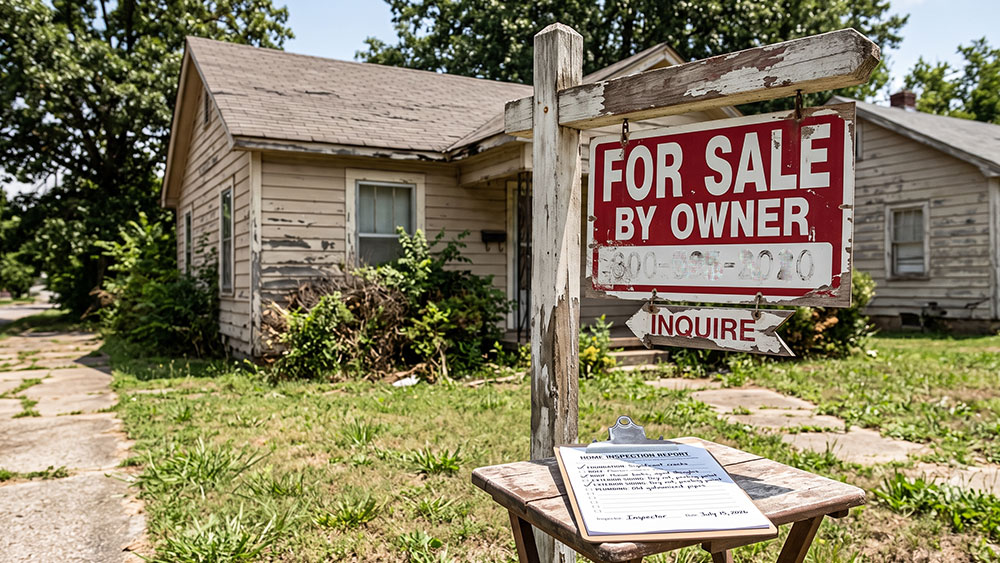
“As-is” real estate listings are common, but they often trigger an immediate alarm for many prospective homebuyers. These listings imply that the seller will not perform any repairs, provide any credits, or address any defects uncovered during the inspection process. While this might seem like a shortcut to a lower purchase price, it shifts the entire burden of risk onto the buyer.
Evaluating an as-is property requires a sophisticated understanding of structural condition, renovation costs, and legal liability. Many buyers find these properties lucrative, but only when they approach the purchase with eyes wide open. Deciding whether these listings are worth the risk requires a meticulous, data-driven assessment of the property’s true potential.
Decoding the Meaning of As-Is
At its core, an as-is clause is a legal statement that limits the seller’s liability for the house’s current condition. It notifies you that the property is being sold in its present state, including all known and unknown defects. You are essentially agreeing to accept the house exactly as it stands at the moment of the closing.
The Seller’s Disclosure Obligations
Even in an as-is sale, the seller is rarely relieved of their obligation to provide a truthful property disclosure. They must typically report any major, known material defects they are aware of, such as foundation issues or past flooding. The as-is designation does not give the seller a free pass to lie about critical safety problems.
Why Sellers Choose As-Is
Many sellers use this designation to save time or avoid the stress of negotiating minor punch-list items. They may be selling an inherited property or moving quickly for work, preferring a lower price to a drawn-out renovation timeline. In some cases, as-is signals that the home is a legitimate “fixer-upper” with significant deferred maintenance.
The Financial Impact on Your Budget
The initial purchase price of an as-is property is often lower than that of similar homes in the same neighborhood. This creates a temptation to view the purchase as a quick way to build equity. You must resist this emotional trap and focus strictly on the math behind the necessary renovations.
Calculating Your Contingency Fund
When buying as-is, you should assume the worst-case scenario for every mechanical and structural system in the home. If the furnace looks old, budget for an immediate replacement rather than hoping it will survive another winter. A robust contingency fund is the only thing that separates a successful investment from a financial disaster.
The Cost of Deferred Maintenance
Properties sold as-is often have years of neglected maintenance that will eventually require professional intervention. A leaky roof might seem like a small detail today, but it can lead to massive mold issues and structural rot tomorrow. You must view the property as a collection of failing systems with finite lifespans.
Due Diligence is Non-Negotiable
Because the seller will refuse to fix anything, your due diligence period becomes the most important phase of the transaction. You must conduct an exhaustive inspection to identify exactly what you are getting into before you are legally locked in. Skipping this step is the fastest way to lose thousands of dollars on an as-is purchase.
Hiring Specialized Inspectors
A standard home inspection provides a great overview, but as-is properties often demand more specialized professional eyes. Consider bringing in a structural engineer to look at the foundation or a licensed electrician to evaluate outdated wiring. These professionals can provide a much clearer picture of the real repair costs you will face after closing.
Walking Away with Your Deposit
The primary goal of your inspection should be to determine if you can walk away from the deal. Your contract should include a robust inspection contingency that allows you to cancel if the findings are too severe. If the seller refuses to fix major issues, do not be afraid to exercise your right to terminate the contract and keep your earnest money.
- Request a sewer line scope to ensure there are no collapsed pipes underground.
- Check the age and condition of the HVAC system to avoid an immediate capital expenditure.
The Risks to Your Mortgage Financing
Lenders view as-is properties with significantly more caution than move-in-ready homes. If an appraisal reveals major safety hazards, your bank may refuse to fund the loan until those hazards are corrected. This can create a frustrating stalemate when the seller refuses to perform those repairs.
The Appraisal Gap Challenge
If the property is in truly poor condition, the appraiser may assign a value lower than your agreed-upon purchase price. This leaves you with a “gap” that you must either cover with cash or negotiate a price reduction. When a seller insists on an as-is sale, they are often unwilling to adjust the price based on an appraisal.
Specialized Loan Programs
If you find a property that is too damaged for a conventional mortgage, you might consider a renovation loan. These government-backed programs wrap the purchase price and the estimated renovation costs into a single, manageable mortgage payment. They are designed specifically to handle properties that would otherwise be ineligible for traditional financing.
Assessing Future Resale Value
As-is properties can be rewarding, but they also come with a unique set of challenges when you eventually decide to sell. You need to ensure that the work you put into the home will actually increase its value in the current market. Renovating a home for your own taste is very different from renovating for maximum resale potential.
Market Positioning
Before you purchase, review recent sales in the neighborhood to see how renovated homes are performing. If you spend too much on upgrades that the local market does not demand, you will never recoup your costs. Always aim for a renovation that aligns with the neighborhood’s median price point.
The Effort of Management
Managing a significant renovation is a time-consuming and exhausting experience that can strain your personal finances and relationships. You will need to source reliable contractors, monitor daily progress, and handle unexpected project delays. Ensure you have the professional support and the mental stamina required to lead such an intensive project.
Closing Points
Buying an as-is property is rarely a passive experience; it is an active investment strategy that demands meticulous planning. It can be a brilliant way to gain entry into a desirable neighborhood at a discount, provided you are prepared for the work. If you have the budget, the patience, and the right professional guidance, these listings can be incredibly rewarding.
Ultimately, you are trading your time and your renovation capital for a lower purchase price and increased equity. If you are not prepared to manage a construction project, it is often better to seek a home that is move-in-ready. Knowledge is your greatest defense, and a thorough inspection will always tell you exactly what you need to know before you sign.