
How to Handle Contingent Offers When Selling Your Home
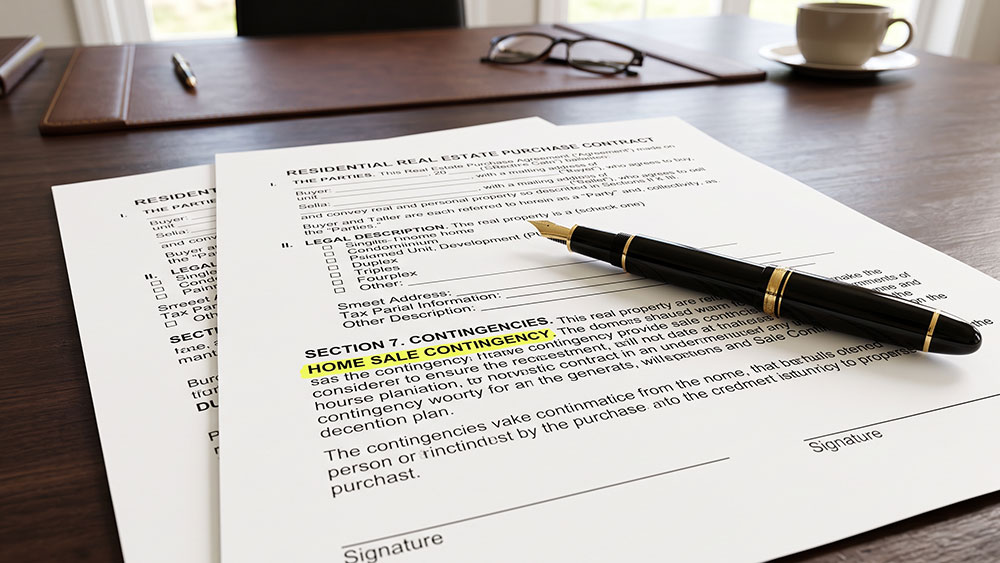
Selling a home is a complex financial transaction filled with unpredictable variables and high-stakes negotiations. One of the most challenging hurdles a seller can face is receiving a lucrative offer burdened with a home sale contingency. While this specific situation is incredibly common, it requires a highly strategic approach to protect your bottom line.
A contingent offer means the buyer wants to purchase your property but needs to sell their current home first. This creates a dangerous domino effect: your successful closing depends on a separate, unrelated real estate transaction. Accepting this kind of deal means you are effectively taking on the financial risks associated with the buyer’s own property sale.
Understanding the Home Sale Contingency
When you accept a contingent offer, you enter a legally binding holding pattern with your prospective buyer. Your property moves to pending status, meaning you generally stop marketing it to the general public. This exclusive waiting period is why these contracts carry an inherent element of financial risk.
The Buyer’s Perspective
For buyers, a home sale contingency is the ultimate financial safety net. It prevents them from carrying two massive mortgages simultaneously if their current property fails to sell quickly. It also ensures they do not become temporarily homeless while trying to synchronize two incredibly stressful residential moves.
The Seller’s Risk
From the seller’s perspective, this contingency transfers a massive amount of market risk directly onto their shoulders. If the buyer’s home sits on the market for months without selling, your own transaction remains completely frozen. When that contingency eventually expires, you are forced to relist your home with the unfair stigma of a failed sale.
Evaluating the Strength of the Contingent Buyer
Not all contingent offers are created equal, and some carry significantly less risk than others based on market positioning. You must heavily scrutinize the buyer’s current property as if you were the one actually purchasing it. A strong contingent buyer is one whose current home is already highly desirable and ready to sell immediately.
Checking the Buyer’s Current Listing
The safest contingent offer comes from a buyer whose home is already under contract with a solid closing date. If their home is not even officially listed yet, you are accepting an extreme level of timing risk. Require proof that their property is actively marketed on the local multiple listing service before signing anything.
Reviewing the Pricing Strategy
Ask your real estate agent to pull recent comparable sales for the contingent buyer’s specific neighborhood. If the buyer has aggressively overpriced their current home, it will likely languish on the market forever. You only want to accept offers from buyers who have priced their existing properties competitively to guarantee a quick sale.
Utilizing the Kick-Out Clause
Savvy sellers never accept a home sale contingency without securing a vital legal escape hatch known as a kick-out clause. This contractual provision lets you keep marketing your property while technically under contract with the contingent buyer. It strikes the right balance: securing a potential buyer while still hunting for a superior, non-contingent offer.
How the Right of First Refusal Works
If you receive a better offer from a new buyer, you must immediately notify your original contingent buyer in writing. The original buyer is then given a strict deadline, usually 48 to 72 hours, to remove their contingency. If they cannot secure alternative financing and drop the contingency, you can legally cancel their contract and accept the new offer.
Marketing the Property Actively
Including a kick-out clause keeps your home visible to other highly motivated buyers. Your listing agent will prominently note the kick-out clause in the public remarks, signaling that the home is still technically available. This aggressive strategy keeps your listing from going stale while you wait for the original buyer to perform.
Negotiating a Better Contingent Deal
Accepting a contingent offer is a major concession, and you should demand compensation for taking on that risk. Sellers possess massive leverage when negotiating the specific financial terms of a heavily burdened real estate contract. You must adjust the deal’s broader parameters to protect your financial interests during the extended waiting period.
Demanding a Higher Earnest Money Deposit
Require contingent buyers to put down a substantially larger earnest money deposit than standard buyers. This increased upfront cash demonstrates extreme financial commitment and deters the buyer from walking away frivolously. If they eventually default on a non-contingency deadline, that massive deposit rightfully becomes your financial compensation.
Adjusting the Final Purchase Price
When a buyer asks you to assume their market risk, they should pay a premium for that specific privilege. Sellers should rarely accept a lowball offer if it also includes a home sale contingency. Demanding a full-price offer, or even slightly above asking price, offsets the severe inconvenience of a delayed and uncertain closing.
Managing Escrow Timelines and Deadlines
Time is the absolute enemy of every real estate transaction, and contingent deals are notoriously slow to reach the closing table. You must set rigid deadlines in the purchase contract to prevent the buyer from stringing you along indefinitely. Tightening the escrow timeline forces the buyer to act urgently to sell their own home.
Setting Strict Contingency Expirations
Never give a contingent buyer an open-ended timeline to sell their existing property. The contract must explicitly state a hard, non-negotiable date by which the home-sale contingency expires. If their home does not sell by this deadline, the contract is automatically voided, allowing you to move on quickly.
Monitoring the Buyer’s Progress
Your real estate agent must stay in constant communication with the buyer’s agent to actively monitor their property’s status. You need weekly updates regarding their showing activity, open house feedback, and any potential offers they receive. If their listing is completely dead, you can begin preparing your backup marketing strategy well before the official deadline.
Navigating the Inspection and Appraisal Phases
A home sale contingency does not pause the other standard timelines embedded within a real estate purchase contract. The contingent buyer must still proceed with property inspections and bank appraisals on the standard contractual schedule. Managing these simultaneous milestones keeps the deal moving even while waiting for the buyer’s home to sell.
Completing Property Inspections Early
The buyer should complete all structural and mechanical inspections within the first two weeks after the contract is signed. You do not want to wait sixty days for their home to sell only to have them cancel over a minor roof leak. Forcing early inspections resolves all physical property disputes while you are still actively marketing the home via a kick-out clause.
Handling the Mortgage Appraisal
The buyer’s lender will eventually order an appraisal to verify your home’s value matches the agreed-upon purchase price. However, many lenders will intentionally pause the appraisal process until the buyer’s current home actually goes under contract. You must clarify exactly when this appraisal will occur to avoid sudden financing delays late in the escrow process.
When to Walk Away from a Contingent Offer
Sometimes, the best negotiation tactic is simply refusing to engage with a contingent offer. Certain market conditions make accepting this type of burdened contract an incredibly poor financial decision. Understanding your local market dynamics will tell you when to reject these proposals without a second thought.
Highly Competitive Seller Markets
If your local housing market is suffering from severely low inventory, you hold all the fundamental negotiation power. In a hot seller’s market, you will likely receive multiple clean offers without restrictive sale contingencies. In these highly competitive environments, tossing contingent offers straight into the trash is generally the smartest business move.
Unrealistic Buyer Timelines
Some buyers will present contingent offers even though their own home requires massive repairs before it can be listed. If the buyer’s home isn’t show-ready, their timeline to sell is unpredictable and highly volatile. You should walk away from any buyer who isn’t fully prepared to list their home the very next day.
Closing Points
Handling a contingent offer requires patience, careful market analysis, and a well-drafted real estate contract. While they are undeniably riskier than standard cash or financed deals, they are not inherently disastrous for sellers. By using kick-out clauses, demanding premium prices, and setting strict deadlines, you can navigate this complex transaction safely.
Ultimately, your decision to accept a home sale contingency must align with your personal timeline and financial risk tolerance. If you can wait and the buyer’s property is highly marketable, the deal can be incredibly rewarding. Proceed with extreme caution, protect your legal rights, and never let a contingent buyer dictate the terms of your real estate success.