
The Renter’s Guide to Getting Your Full Security Deposit Back
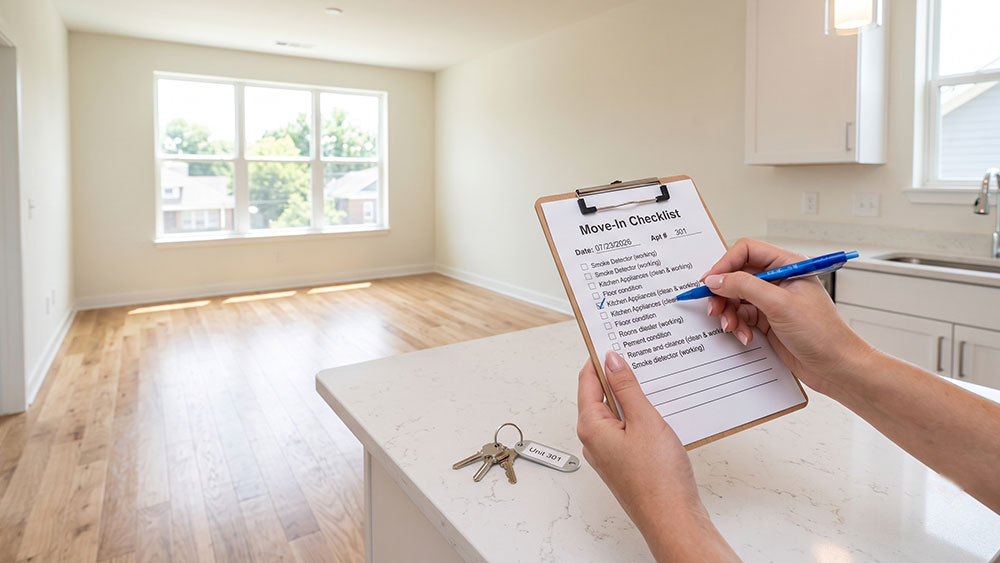
The security deposit represents a significant financial investment, often totaling a full month’s rent or more. Many renters mistakenly assume that this money is gone as soon as they sign the lease, but it remains your property throughout your tenancy. Getting that full amount back requires diligence, careful documentation, and a clear understanding of your legal rights.
Your path to a full refund begins the moment you receive the keys to your new home. By proactively managing the property from move-in to move-out, you can prevent common disputes. Follow this structured approach to safeguard your deposit and ensure a smooth financial transition at the end of your lease.
The Move-In Inspection: Your First Line of Defense
The move-in inspection is the most critical event in the lifecycle of your security deposit. You must create an irrefutable record of the property’s condition on the day you officially take possession. Failure to document pre-existing damage may allow a landlord to blame you for issues caused by previous tenants.
Documenting Every Imperfection
Walk through every square inch of the rental unit with your smartphone camera ready to record. Pay close attention to high-traffic areas such as flooring, baseboards, window blinds, and the interiors of major appliances. Do not overlook subtle issues like small carpet stains, nail holes, or scratches on hardwood floors, as these are frequent targets for unjustified deductions.
Creating a Signed Condition Report
Many landlords provide a pre-printed move-in checklist, but you should always supplement this with your own detailed notes. Send your comprehensive list of existing defects to the landlord via email within the first forty-eight hours of your move-in. Having this dated digital trail acts as an official record of the unit’s state before you lived there.
Maintaining the Property Throughout Your Tenancy
The condition of your rental during your stay directly impacts the landlord’s assessment when you eventually move out. Consistently treating the property with care reduces the likelihood of “damage” claims that go beyond standard wear and tear. A clean, well-maintained unit is far harder for a landlord to find fault with.
Addressing Maintenance Issues Early
Small problems often escalate into significant repair costs if ignored for extended periods. If you notice a dripping faucet, a loose cabinet hinge, or a running toilet, report it to your landlord immediately. Documenting these requests ensures that you are not held liable for damages that resulted from your landlord’s failure to perform necessary maintenance.
Differentiating Wear vs. Damage
Landlords can only deduct actual damage beyond normal residential use. Normal wear and tear, such as slight carpet thinning or minor paint fading, is a standard cost of doing business for a landlord. Actual damage, such as deep gouges in wood, massive carpet stains, or broken window glass, is your financial responsibility to resolve.
Preparing for the Final Move-Out
The move-out phase requires a focused effort to return the property to its original condition. A deep, professional-level cleaning is often the deciding factor in whether you receive your deposit back in full. Do not assume that a “broom clean” condition is enough to satisfy a strict landlord.
Performing a Professional Deep Clean
Focus on the areas that landlords scrutinize most: the kitchen and the bathrooms. You must scrub the interior of the oven, the refrigerator, the dishwasher, and all bathroom tile grout. If you do not have the time to perform this deep clean yourself, hiring a professional service is a wise investment that usually pays for itself in deposit returns.
Repairing Small Items Yourself
Before you return the keys, address any minor issues you can easily fix. Patch minor nail holes in the walls with spackle and touch up any paint spots if you have the original color. These inexpensive, DIY-friendly repairs remove the easiest opportunities for a landlord to hire an expensive contractor on your behalf.
- Check that all original light bulbs are working and installed in their correct fixtures.
- Ensure that all provided window coverings are clean and functioning properly, with no broken slats.
Handling the Final Walkthrough
The final walkthrough is your opportunity to advocate for yourself and address any concerns before the landlord prepares a final statement. This meeting should be conducted in person with the landlord or property manager whenever possible. Having a physical presence allows you to provide context for any condition issues that might arise.
Staying Present During the Review
Do not simply drop your keys in a lockbox and hope for the best. Being present during the walkthrough allows you to address any questions the landlord may have about the unit immediately. If they point out a specific issue, you can explain your documented history and refer back to your move-in condition report.
Requesting an Itemized Deduction List
If the landlord suggests deductions from your deposit, ask for a detailed, itemized list of all repairs. They must justify each deduction with actual invoices or receipts for the work performed. You are not obligated to pay for a full-unit painting or a total carpet replacement if the existing items are already approaching the end of their lifespan.
Challenging Unfair Deductions
If you receive a check that is missing a significant portion of your deposit, you have the right to challenge those deductions. Many landlords rely on the fact that most tenants will not bother to contest small or even large charges. You can change that dynamic by responding professionally and firmly.
Using the Security Deposit Statute
Every state has specific laws governing how and when a security deposit must be returned. These statutes often include strict deadlines for sending both the refund check and an itemized statement of charges. If your landlord misses these deadlines or includes illegal deductions, you can cite your local laws to demand your money back.
Taking Further Action
If the landlord refuses to return your money after you have sent a formal written demand, you may need to escalate. Small claims court is often an effective, inexpensive venue for recovering withheld deposits without an attorney. The mere threat of a legal filing is frequently enough to encourage a landlord to reconsider their position.
Closing Points
Securing your full deposit return is a process that begins when you first sign your lease. By maintaining clear records, documenting every stage of your residency, and advocating for your rights, you minimize the chances of unfair deductions. Treat your rental property with respect, but ensure your financial interests are protected through strict organization.
Your security deposit is your money, not an extra fee for your landlord. When you move out, do so with confidence, knowing that you have done everything possible to keep your account in good standing. Following these steps ensures that you walk away from your rental experience with your full refund intact.