
Open House Safety: How to Protect Your Valuables During Showings
An open house is a standard marketing tactic designed to generate maximum foot traffic for your property. While you want to encourage as many potential buyers as possible to walk through your doors, inviting dozens of strangers into your private space carries inherent risks. Protecting your physical assets and sensitive personal information must be a top priority during every public showing.
Many sellers focus exclusively on staging and curb appeal, forgetting that they are hosting a public event in their own home. A proactive safety strategy ensures that your property remains a welcoming environment for serious buyers while deterring opportunistic individuals. Taking simple, deliberate precautions before the first guest arrives can prevent serious headaches.
Securing High-Value Assets and Collectibles
The most visible risk during any open house involves small, portable items that can easily disappear into a coat pocket. Jewelry, watches, fine art, and rare collectibles are primary targets for individuals who are not truly interested in buying the home. You must assume that any small item of value left in plain sight will be vulnerable to theft.
Using Off-Site Storage
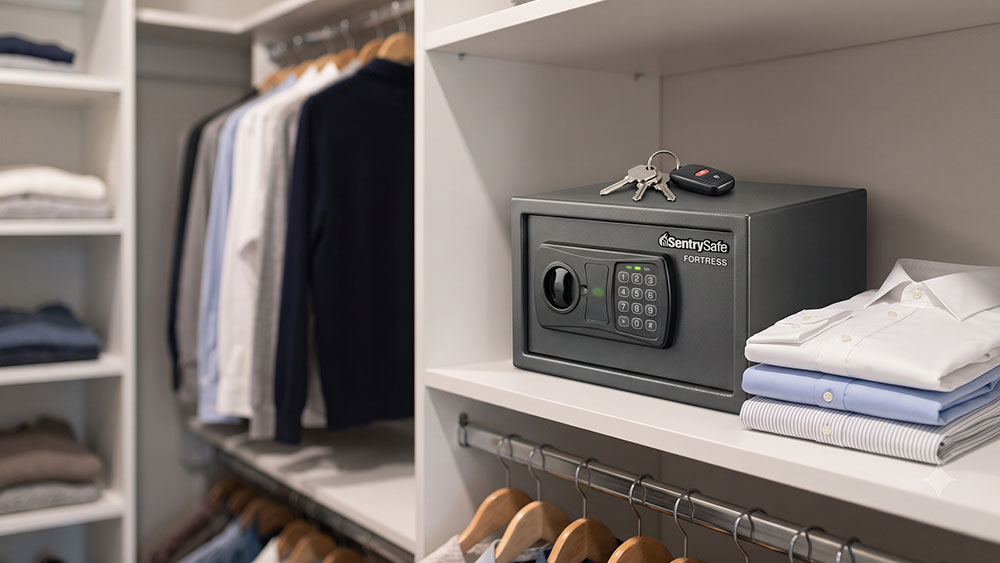
The absolute safest way to protect your most prized possessions is to remove them from the property entirely. Move your jewelry, coin collections, and sentimental heirlooms to a secure off-site safe deposit box before you begin showing the home. If you cannot store them off-site, you should invest in a heavy-duty, bolt-down floor safe hidden from public view.
The Problem with Master Bedroom Closets
Master bedroom closets are the first places that suspicious visitors will look for portable valuables. Never store expensive electronics, designer handbags, or precious metals in your primary bedroom during an open house. Treat your entire home as a public space and assume that visitors will open every cabinet, drawer, and closet.
Safeguarding Sensitive Personal Information
In the modern digital age, your identity is just as valuable as your physical possessions. Many homes contain stacks of mail, personal filing cabinets, and computer equipment that could easily lead to identity theft. You must purge your living space of any documentation that displays your full name, address, or financial account numbers.
Locking Away Important Documents
Birth certificates, Social Security cards, and passports should always be kept in a locked, fireproof safe. Any outgoing mail, bank statements, or medical bills sitting on the kitchen counter must be put away. If a visitor catches a glimpse of your personal data, they have the potential to compromise your financial life in minutes.
Securing Digital Devices
Laptops, tablets, and smartphones contain massive amounts of sensitive data that are highly attractive to thieves. If you must keep these devices in the home, ensure they are locked inside a secure piece of furniture or a locked office. It is often safer to take these devices with you when you leave the property for the duration of the event.
Preparing the Home for Secure Viewing
A well-prepared house not only shows better but also deters potential bad actors from exploring restricted areas. You want to control traffic flow so visitors stay in the areas you intend to show. Clearly communicating your boundaries helps professional real estate agents monitor the property more effectively.
Limiting Access to Specific Rooms
If you have a basement, attic, or home office that you do not want visitors entering, keep those doors locked. Place a polite “Private” sign on the doors of rooms that are off-limits for the open house. Limiting access points makes it much easier for the listing agent to keep a watchful eye on all guests.
Monitoring Potential Vandalism Risks
Open houses can sometimes attract neighborhood teens or curiosity seekers who have no intention of buying. Ensure that any potentially dangerous household chemicals, medications, or tools are locked in a garage cabinet. Reducing the opportunity for accidental damage or malicious vandalism is a key part of your overall safety plan.
- Verify that all prescription medications are completely removed from bathroom cabinets and medicine chests.
- Check that all spare keys, including car keys and mailbox keys, are secured and hidden from sight.
Collaborating with Your Real Estate Agent
Your listing agent plays a vital role in ensuring that your open house remains safe and professional. They are responsible for vetting guests, monitoring traffic flow, and maintaining the security of your property. You should have a frank, open conversation with them about your security expectations before the event.
Setting Agent Requirements
Expect your agent to ask every single visitor to sign a guest register and provide valid contact information. This register is not just for follow-up marketing; it is a critical security log if something goes missing. A professional agent should never leave an open house completely unattended, even for a few minutes.
Defining Security Protocols
Agree on a specific protocol for when the agent needs to show the home to multiple groups simultaneously. Ask how they will manage traffic to ensure no visitors are left unsupervised in the home’s private areas. Knowing that your agent has a clear security plan will provide you with much-needed peace of mind.
The Role of Smart Home Technology
Modern technology provides homeowners with an incredible layer of security that was not available in previous decades. Smart cameras, motion sensors, and connected doorbells let you monitor your home from anywhere in the world. You should leverage these tools to enhance the security of your property during public showings.
Using Indoor Cameras Strategically
Installing visible or discreet indoor cameras in main living areas can act as a powerful deterrent against theft. Make sure that you are following local laws regarding audio and video recording in your jurisdiction. A well-placed camera in the foyer or living room provides a visual record of who entered your home.
Connected Doorbell Systems
A smart doorbell is excellent for monitoring who approaches your front door during the day. It can capture images of potential visitors before they even step inside your property. Seeing the traffic coming to your home provides an immediate sense of control over who you allow into your space.
Closing Points
Hosting an open house is a standard step in the selling process, but it requires a careful, safety-first mindset. By removing your most valuable possessions, securing your personal data, and working closely with your listing agent, you mitigate almost all significant risks. These precautions do not just protect your assets; they also let you focus on selling your home.
Approach the open house with the same level of preparation you use for staging and cleaning. When you take the time to secure your home, you demonstrate that you are a serious and diligent seller. Follow these steps, and you will navigate the open house process with total confidence and safety.