
Buying Vacant Land: Zoning, Utilities, and Building Restrictions
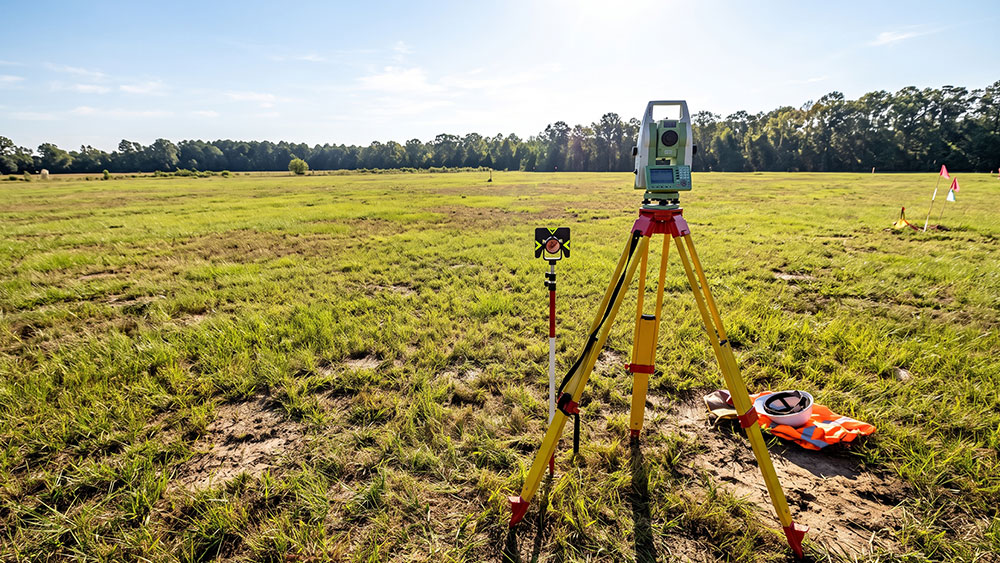
Purchasing a vacant plot of land offers the ultimate blank canvas for real estate investors and future homeowners. It promises the freedom to build a custom dream house, establish a commercial enterprise, or hold a hard asset. However, raw land is rarely as simple as it appears on a surveyor’s maps or property listings.
Failing to perform proper due diligence can turn a scenic parcel into a massive financial sinkhole. Buyers often underestimate the bureaucratic and physical hurdles standing between a vacant lot and a finished project. Success requires a deep understanding of local laws, infrastructure costs, and environmental limitations.
Decoding Local Zoning Laws and Ordinances
Zoning regulations dictate how a specific parcel of land can be used. Municipal codes establish these rules to maintain order, prevent conflicting land uses, and guide community growth. You must verify that your intended project aligns perfectly with the property’s current zoning designation before closing the deal.
Residential, Commercial, and Agricultural Designations
Every parcel falls into a broad category that governs its primary use. Residential zoning allows for single-family homes or multi-dwelling units depending on the specific tier. Agricultural land might permit farming and livestock but strictly prohibit retail structures or dense housing developments.
Building a commercial facility on residential land will result in immediate stop-work orders. Municipalities take these designations seriously and enforce them with steep financial penalties. Never assume you can talk your way into a zoning exemption after the purchase is finalized.
Future Development and Rezoning Potential
Sometimes a desirable lot lacks the correct zoning for your specific construction vision. You can apply for a rezoning or a variance through the local planning commission. This process is often lengthy, expensive, and not guaranteed to succeed.
You should also meticulously research the zoning of all adjacent properties. A quiet residential lot might border land zoned for heavy industrial use in the near future. Checking the city’s master plan helps you avoid buying a peaceful lot next to a future highway.
Navigating Utility Access and Infrastructure
A beautiful piece of property is virtually useless if you cannot economically connect it to essential utilities. Bringing modern infrastructure to raw land is often the most shocking expense for first-time land buyers. Assessing the exact distance to the nearest utility hookups is a mandatory step in your financial planning.
Water Sourcing and Septic Systems
City water and sewer connections are standard in urban areas but incredibly rare in rural settings. If municipal pipes are unavailable, you will need to drill a private water well. Drilling costs vary widely based on the depth of the water table and local geological conditions.
Similarly, without city sewer access, you must install a private septic system. This requires a percolation test to ensure the soil drains properly. If the land fails this test, you cannot install a standard septic tank and may not be able to build.
Electricity and Internet Connectivity
Running electrical lines to a remote property can cost thousands of dollars per individual utility pole. Contact the local power company to request a formal estimate before purchasing the lot. In some extreme cases, off-grid solar or wind power might be the only financially viable option.
Modern buyers must also prioritize internet access when evaluating a raw property. Many rural parcels still lack access to high-speed broadband or reliable cellular service. If you plan to work remotely, this infrastructure gap could render the property entirely unusable for your needs.
Understanding Building Restrictions and Setbacks
Owning a piece of land does not give you the unrestricted right to build across every square inch of it. Local governments and homeowner associations enforce strict rules on where and how you can place structures. These invisible boundaries can severely limit the footprint of your future home or commercial building.
Setbacks and Easements
Setbacks are mandatory distances you must maintain between your structure and the property lines. They ensure adequate spacing between neighbors and keep buildings safely away from public roads. A small or irregularly shaped lot may become unbuildable once you apply all required setbacks to the map.
Easements grant third parties the legal right to access a specific portion of your land. Utility companies frequently hold easements to maintain power lines or underground pipes running through private property. You cannot build permanent structures over an active easement, which further reduces your usable acreage.
Environmental and Topographical Limitations
The land’s physical characteristics will heavily dictate your construction options. Steep slopes, dense bedrock, and poor soil quality significantly increase excavation and foundation costs. Hire a geotechnical engineer to assess soil stability before finalizing your building plans.
Environmental protections can also halt development entirely. Wetlands, protected wildlife habitats, and designated flood zones come with severe federal and state building restrictions.
- Always check federal flood maps to see if the property requires specialized insurance.
- Hire an environmental consultant if the land features standing water or unique ecosystems.
Evaluating Property Taxes and Holding Costs
Many buyers mistakenly assume that raw land is entirely cheap to hold indefinitely. While vacant parcels lack the massive utility bills of a finished home, they still carry ongoing financial obligations. You must calculate these annual holding costs accurately to determine if the investment fits your long-term budget.
Assessing Annual Tax Obligations
Property taxes are assessed on vacant land just as they are on developed real estate. The municipal tax assessor determines the value of the raw land based on its location and current zoning. High-demand areas will command surprisingly steep annual property taxes even if the lot sits empty.
You must research the historical tax rates for the specific parcel you want to buy. Some agricultural lands benefit from special tax exemptions that significantly lower the annual burden. However, if you rezone that agricultural land for residential use, those tax protections will disappear immediately.
Managing Long-Term Maintenance Expenses
Vacant land requires regular physical maintenance to remain safe and compliant with local ordinances. Municipalities often enforce strict codes on weed control, debris removal, and fire-hazard mitigation. Failing to maintain the lot can result in aggressive city fines and eventual property liens.
If the land is heavily wooded, you might need to hire forestry professionals to remove dead or dangerous trees. Lots in suburban neighborhoods may require bi-weekly mowing to appease local homeowner associations. These seemingly minor maintenance costs add up to thousands of dollars over a multi-year holding period.
Financial and Legal Considerations for Raw Land
Financing vacant land is entirely different from securing a standard residential mortgage. Lenders view raw land as a highly speculative and risky investment compared to an existing home. You must approach the financial and legal aspects of this transaction with specialized knowledge.
Land Loans versus Traditional Mortgages
A finished, habitable house secures traditional mortgages. Since vacant land lacks this collateral, banks offer specific land loans with much stricter terms. Expect significantly higher interest rates and a deposit of 20% to 50%.
Land loans fall into different tiers based on the property’s readiness for construction. Raw land loans are the hardest to secure because they lack infrastructure. Improved land loans cover lots with existing utility hookups and are generally easier to finance.
Title Searches and Land Surveys
A comprehensive title search is non-negotiable when purchasing vacant property. This legal review uncovers outstanding liens, unpaid property taxes, or ownership disputes tied to the parcel. Purchasing title insurance protects your investment from hidden claims that arise after closing.
You must also commission a brand-new professional land survey. Relying on old surveyor maps can lead to costly boundary disputes with your new neighbors.
- Ensure the surveyor marks all corners with physical stakes for absolute clarity.
- Request a detailed topographical map if you plan to build immediately.
Closing Points
Buying vacant land is a thrilling endeavor that offers unparalleled control over your real estate assets. However, it is a process fraught with hidden expenses, bureaucratic red tape, and physical limitations. Navigating zoning laws, utilities, and building restrictions requires a methodical and highly analytical approach.
You must build a team of professionals, including surveyors, environmental experts, and real estate attorneys, to guide your purchase. Their combined expertise will protect you from purchasing a beautiful plot of land that cannot be legally or financially developed.
By conducting exhaustive due diligence, you remove the guesswork from raw land investing. This careful preparation ensures that your blank canvas ultimately becomes the profitable investment or dream home you envisioned. Proceed with caution, ask the right questions, and your land purchase will yield long-term rewards.